Tallow
Tallow vs Retinol: The Natural Alternative for Anti-Aging
If you've spent any time in the skincare world, you've heard the gospel of retinol — the gold standard for anti-aging, fine lines, and cell turnover. But here's what the $50 serums don't tell you: retinol comes with a laundry list of side effects, and there's a natural alternative that's been hiding in plain sight for centuries. Let's talk about tallow vs retinol — and why more people are making the switch to grass-fed tallow for younger-looking skin without the burn.
What Retinol Actually Does (and Why It Hurts)
Retinol is a synthetic form of vitamin A that accelerates cell turnover. That sounds great on paper. In practice, it means redness, peeling, dryness, and sun sensitivity — especially during the first few weeks. Dermatologists call it the "retinol uglies," and for people with sensitive or dry skin, it can do more damage than good. You're essentially forcing your skin to shed faster than it naturally wants to, and that comes at a cost.
Prescription retinoids are even more intense. Many people cycle on and off them because their skin simply can't tolerate continuous use. And here's the kicker — retinol is fat-soluble, meaning it needs a lipid-rich environment to actually absorb properly. Most retinol serums are water-based. See the problem?
Why Grass-Fed Tallow Is a Natural Retinol Alternative
Grass-fed, grass-finished beef tallow naturally contains vitamin A — the same foundational nutrient that retinol is derived from — but in a gentler, more bioavailable form. Instead of isolated synthetic retinoids, tallow delivers vitamin A alongside vitamins D, E, and K2, plus conjugated linoleic acid (CLA) and palmitoleic acid. These aren't random extras. They're cofactors that help your skin actually use the vitamin A effectively.
Think of it this way: retinol is like taking a single vitamin pill on an empty stomach. Tallow is like eating a nutrient-dense meal — your body recognizes it, absorbs it, and puts it to work without the inflammatory response.
The fatty acid profile of tallow is remarkably similar to human sebum (roughly 50-55% saturated fat, with oleic and palmitic acids matching what your skin produces naturally). That's not a coincidence — it's biocompatibility. Your skin doesn't have to "learn" how to process tallow the way it does with synthetic actives.
Tallow for Anti-Aging: What the Science Says
A 2024 scoping review published in PMC confirmed that tallow's composition — rich in fat-soluble vitamins and compatible fatty acids — supports skin hydration, barrier repair, and overall skin health. The natural vitamin A in grass-fed tallow promotes healthy cell turnover without the irritation cycle that synthetic retinol triggers.
Here's what tallow brings to the anti-aging conversation:
Vitamin A: Supports cell renewal and collagen production — the same mechanism retinol targets, just without the peeling.
Vitamin E: A potent antioxidant that protects against free radical damage and UV stress.
Vitamin K2: Helps reduce dark circles and supports skin elasticity — something retinol doesn't address at all.
CLA: Anti-inflammatory properties that calm reactive skin while supporting firmness.
The result? Smoother, more hydrated skin that looks younger — without the adjustment period, the flaking, or the "don't go in the sun" warnings.
How to Use Grass-Fed Tallow in Your Skincare Routine
Switching from retinol to tallow doesn't require a complicated transition. If you're currently using retinol, you can gradually reduce frequency while introducing a tallow-based moisturizer. Many people notice their skin calms down within days — the redness fades, the dryness disappears, and that "tight" feeling goes away.
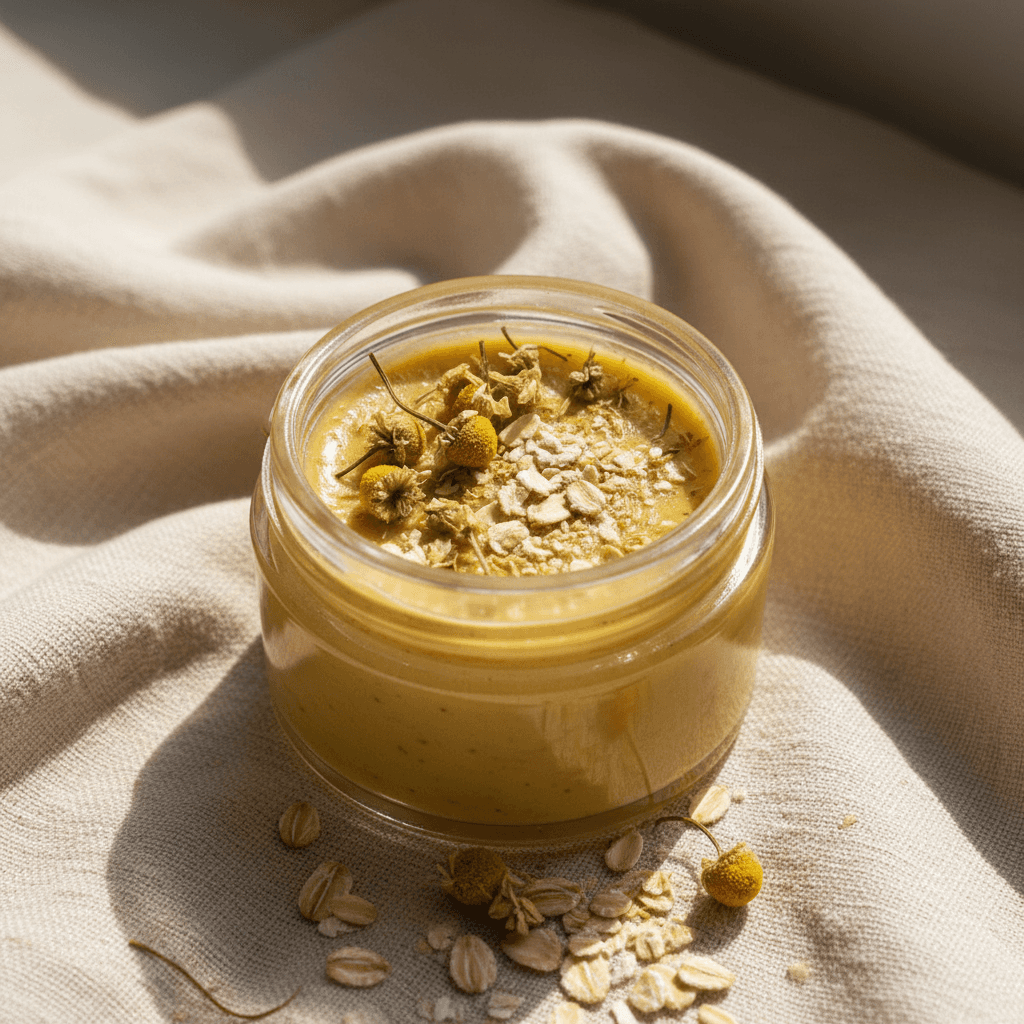
For best results, apply whipped tallow balm to slightly damp skin after cleansing. The fatty acids lock in moisture while the fat-soluble vitamins absorb directly into your skin's lipid layer. Morning and night. That's it. No 12-step routine required.
If you're new to tallow skincare, our guide on what tallow skincare is and how to start breaks down the basics. And if you've been dealing with a damaged skin barrier from years of harsh actives, check out our post on how tallow repairs what serums can't.
The Bottom Line
Retinol isn't evil — but it's not the only path to younger-looking skin, and for many people, it's not even the best one. Grass-fed tallow delivers the same key vitamin (A) in a format your skin actually recognizes, surrounded by cofactors that enhance absorption and reduce inflammation. No burning. No peeling. No sun sensitivity.
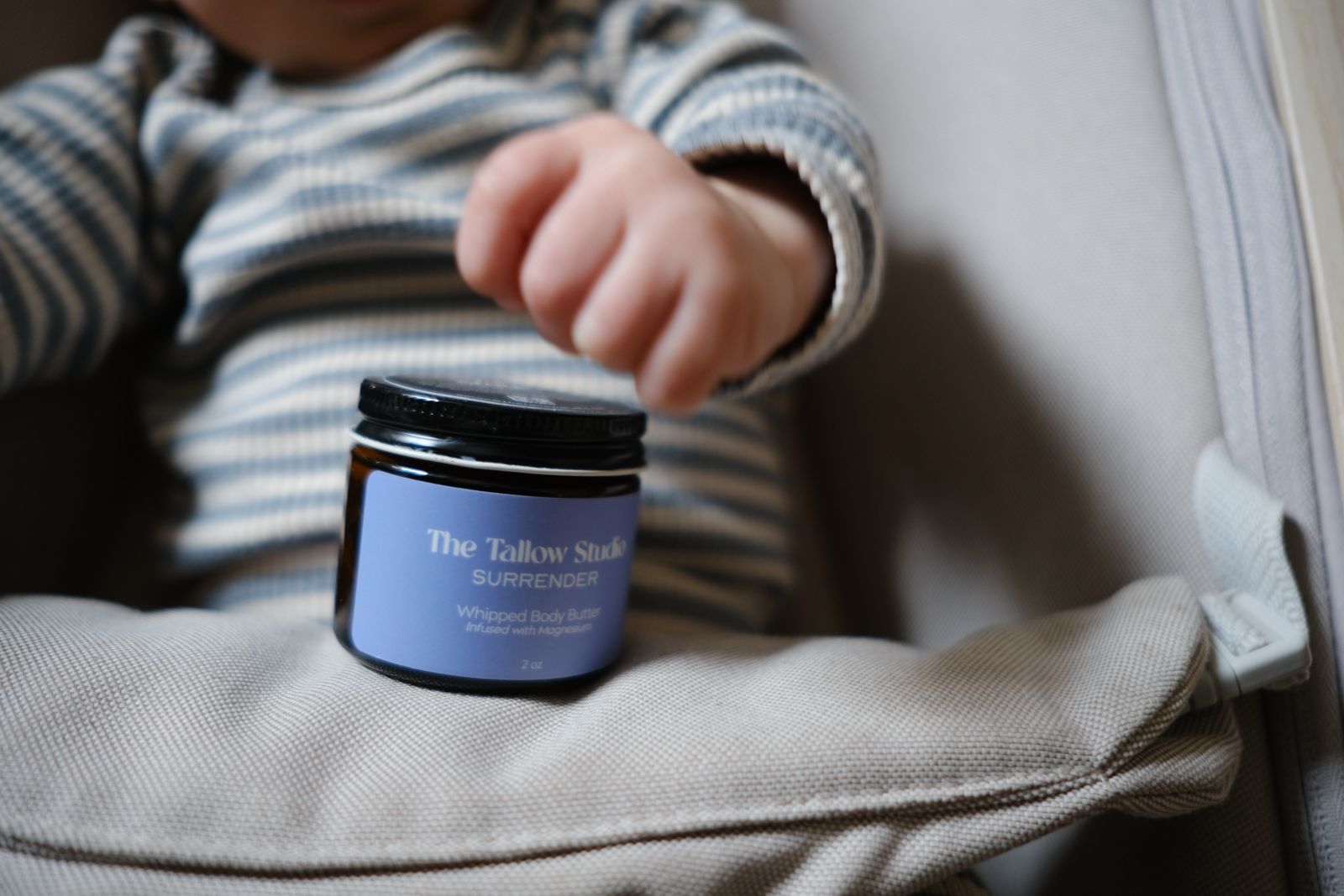
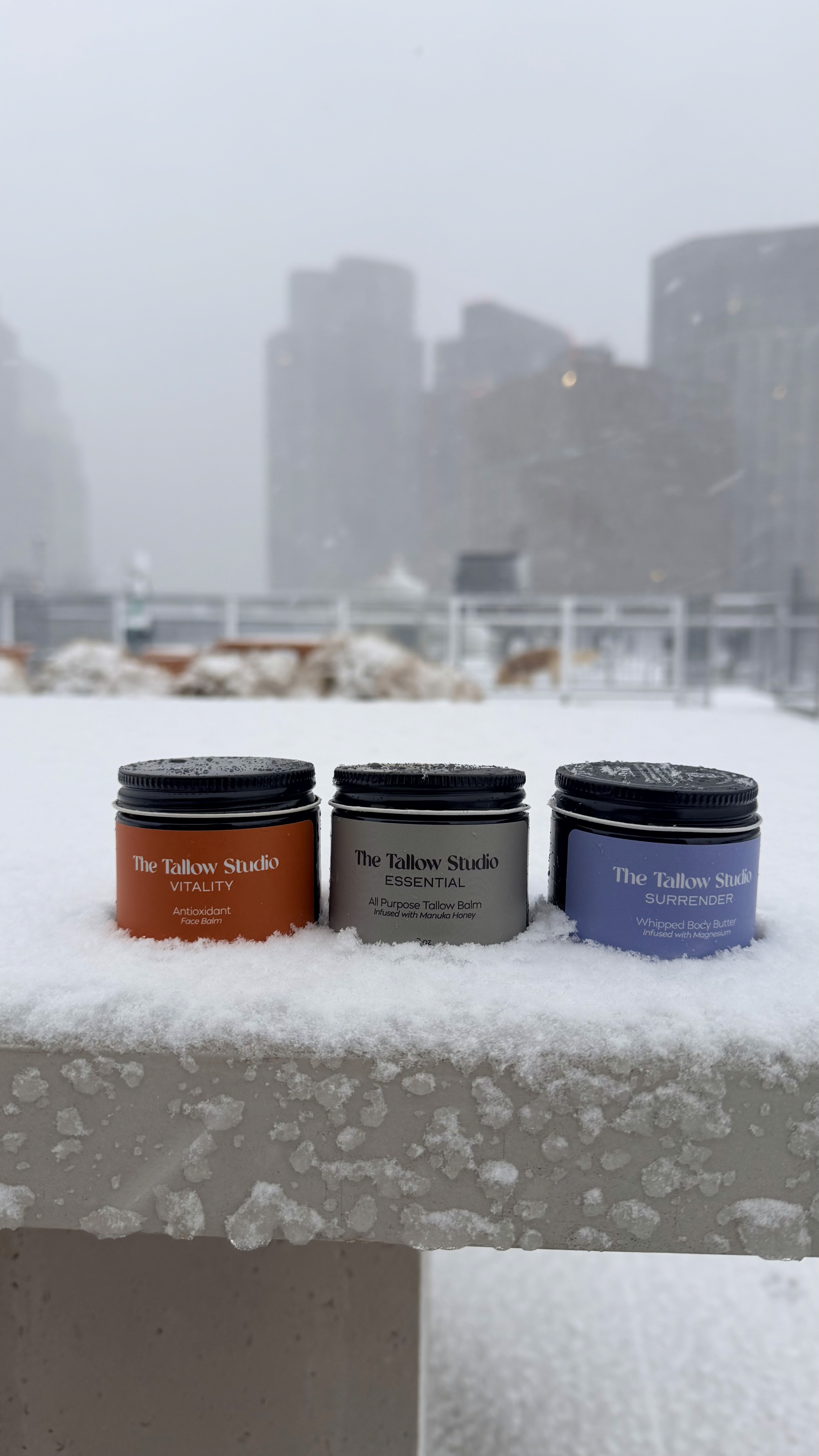
Ready to try the natural retinol alternative that's been around for thousands of years? Browse our grass-fed tallow skincare collection at The Tallow Studio and see what real ingredients can do for your skin.